Torremolinos, Málaga
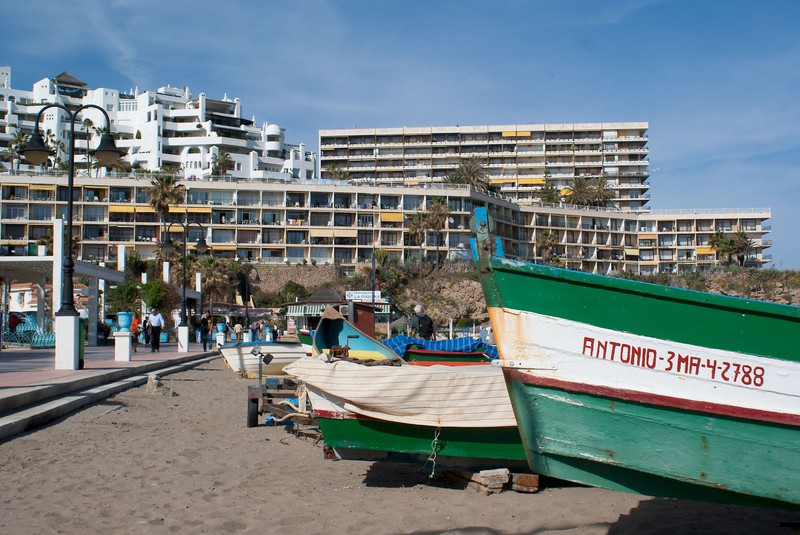
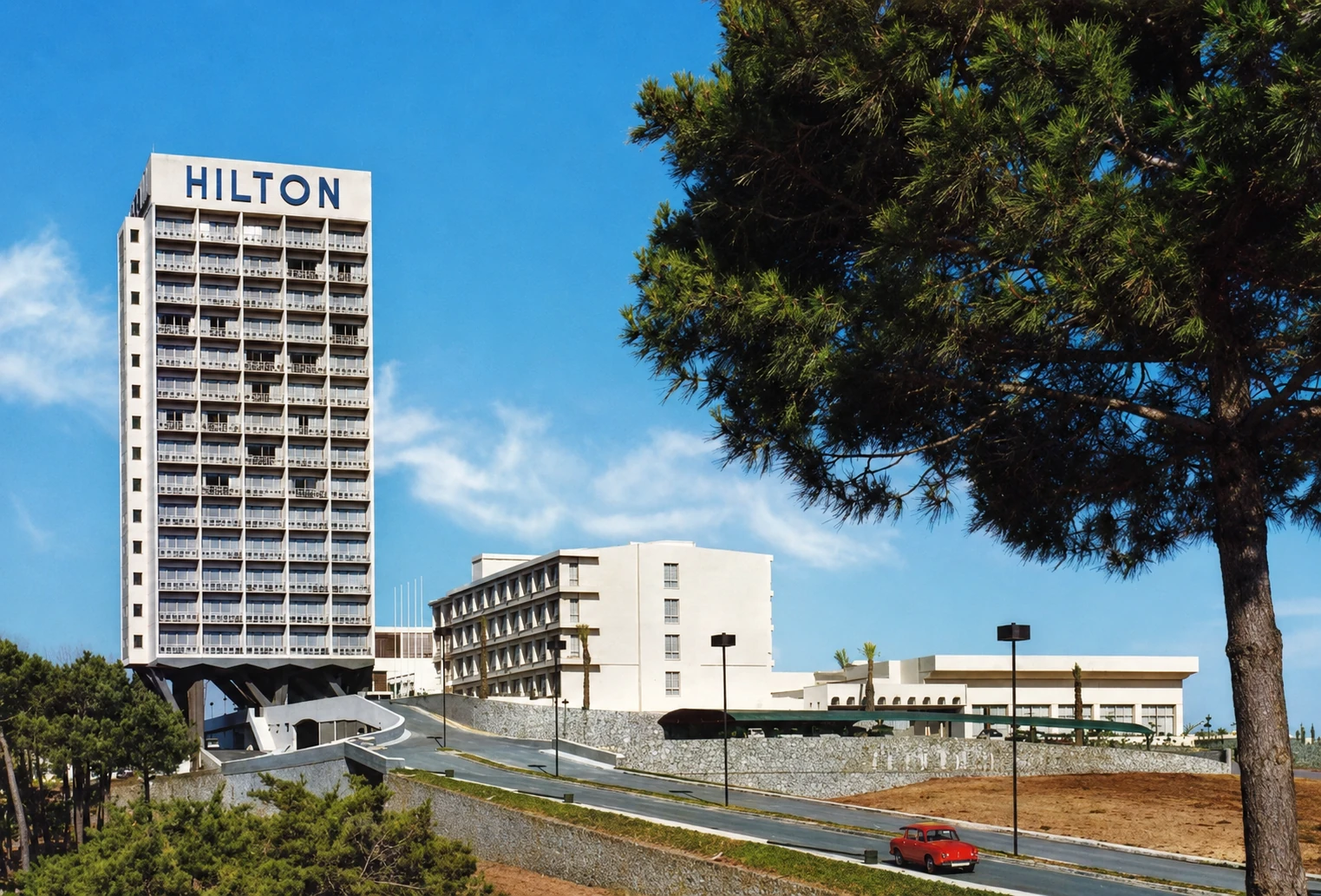
The Castillo de Santa Clara is one of the most singular and historically charged complexes along the entire Costa del Sol. Originally built in 1763 as a coastal watchtower for surveillance and protection against piracy, the site passed through various hands over the centuries before becoming, at the end of the 1960s, a hotel and apartment complex at the hands of Santos Arquitectos.
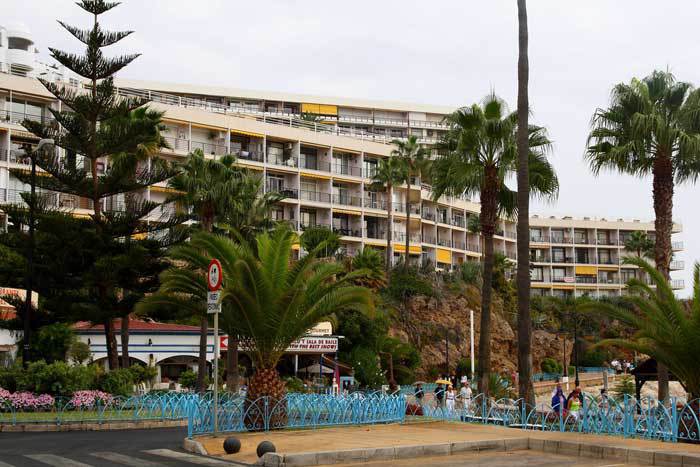
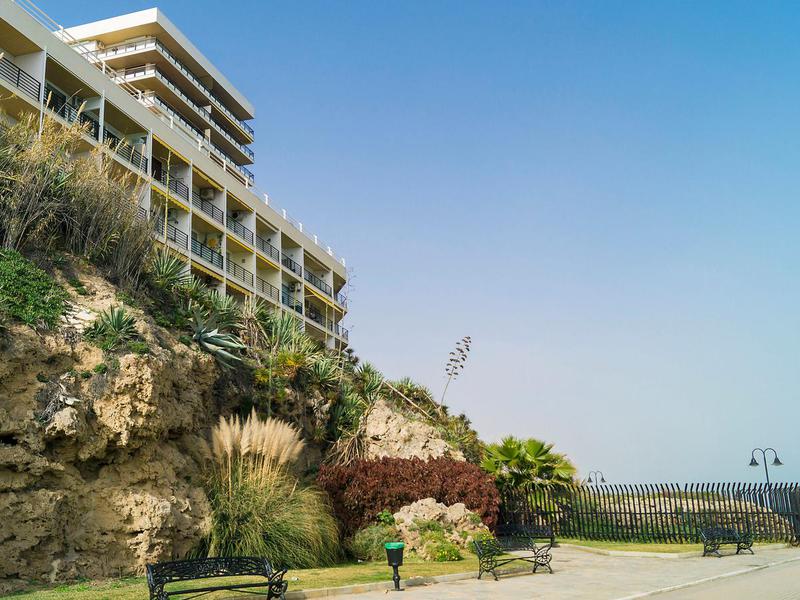
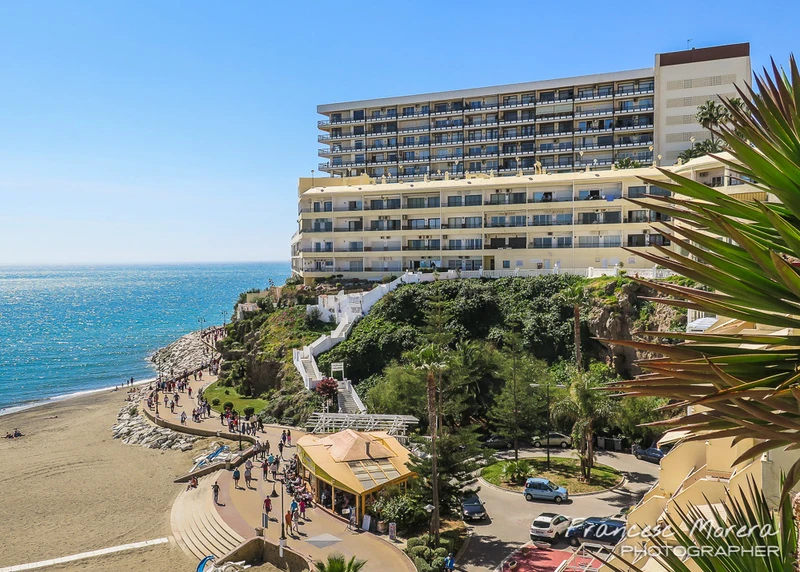
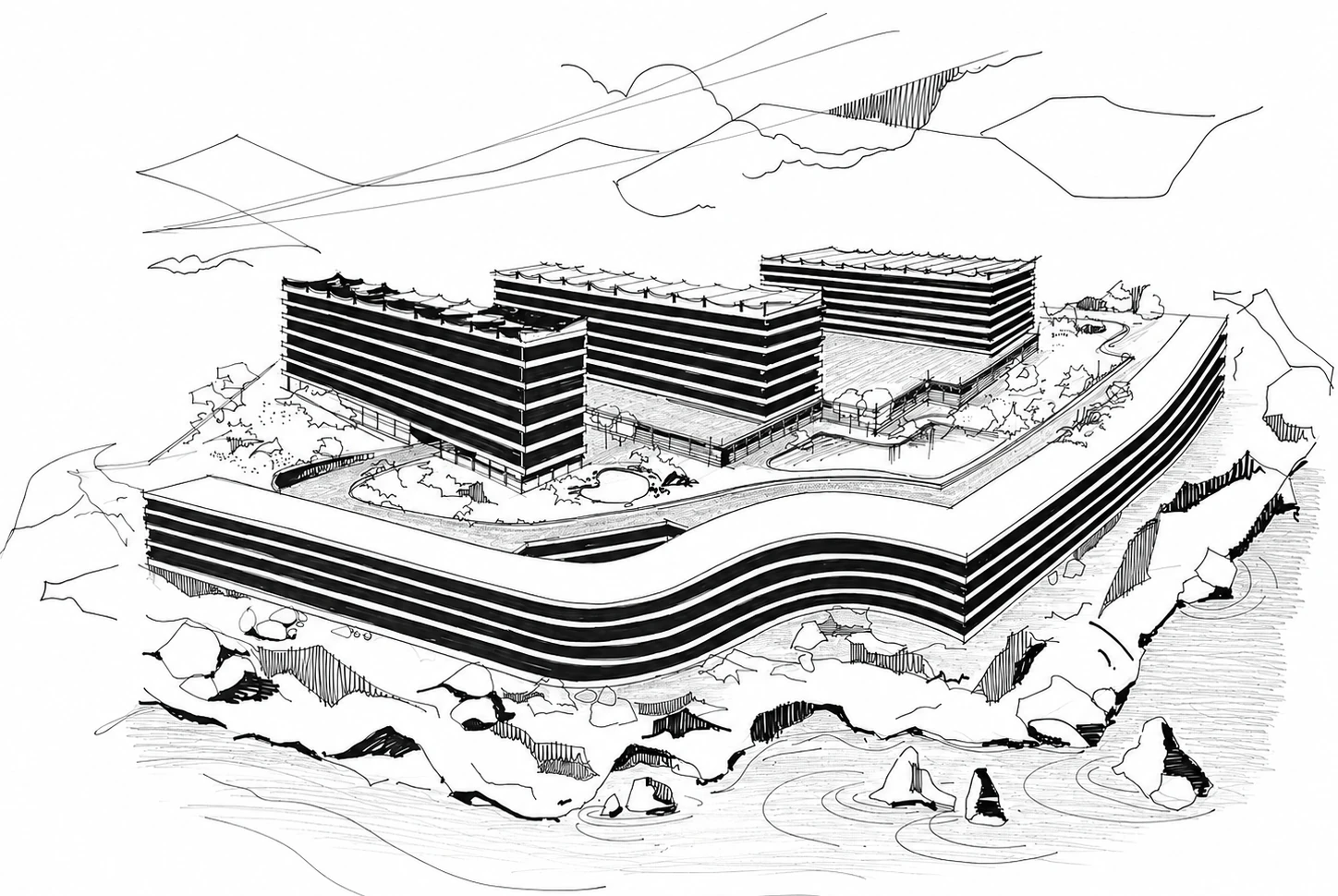
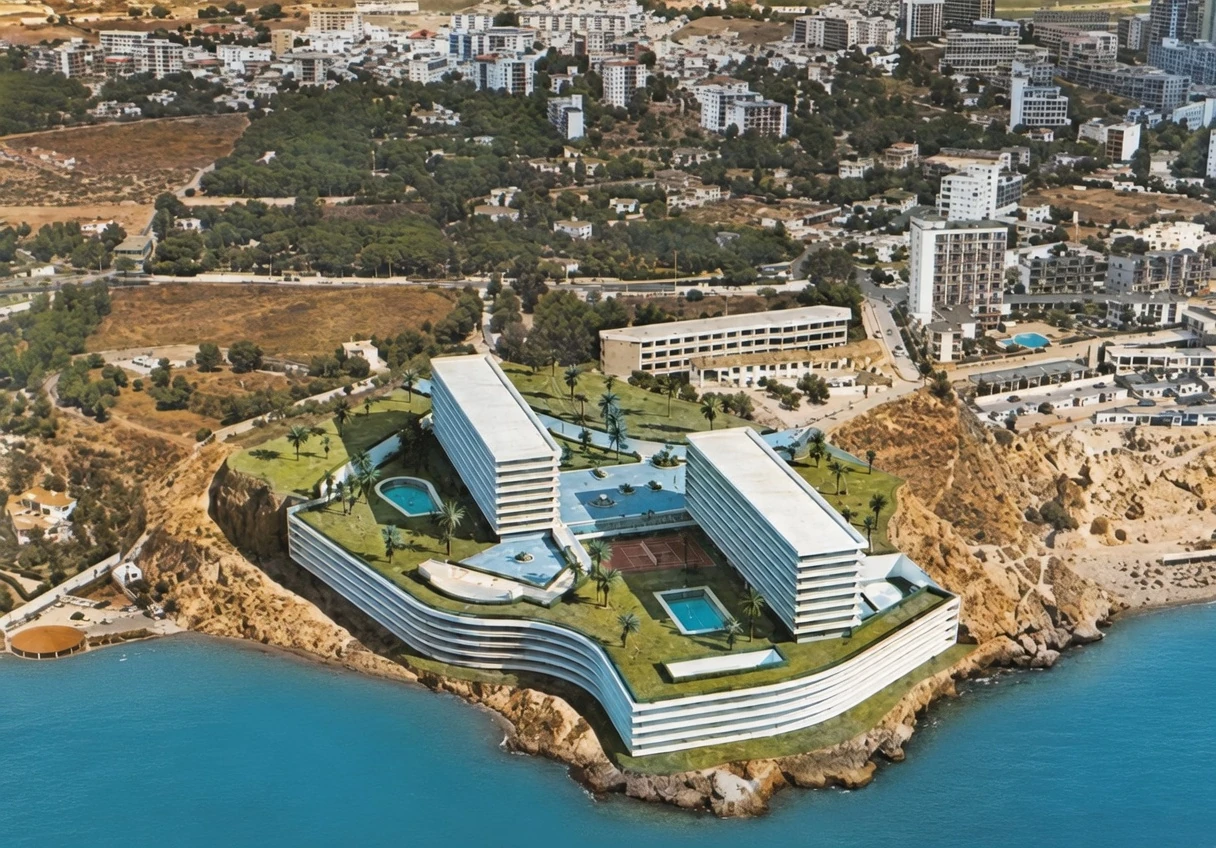
The conversion project faced the challenge of adapting a historic construction to the functional requirements of the hotel and residential programme, while at the same time respecting the heritage elements of the complex. The position of the building on a plateau some 25 metres above sea level, overlooking the Mediterranean across a large cliff face, is the source of its uniqueness: the architecture of the complex appropriates the coastal landscape of rocks and cliffs to offer one of the most representative complexes along the entire coast.
One of the project's most notable contributions is the adaptation to the natural surroundings, which made it possible to create a large-programme complex without the need to fill the plot or direct the buildable volume upwards, taking advantage of the natural cliff to expand below grade. The facade is adorned with elegant mosaics, while the interior retains characteristic elements of Art Deco and the Spanish Renaissance present in the original construction.
The complex hosted guests of notable cultural significance during its time as a hotel: the poet Luis Cernuda stayed in the building in 1928, and his time in Torremolinos inspired his short story El indolente. Subsequently, in May 1930, Salvador Dalí and Gala spent several weeks at Santa Clara. These episodes form part of the historical memory of modern tourism on the Costa del Sol.